Price Range $129 to $16,000. Please note – although current prices are listed, the prices do increase as limited editions sell. Please confirm the price on day of purchase.
If you hold interest regarding an edition which is currently SOLD OUT, please email us with your contact information and we will alert you of any secondary purchasing opportunities we become aware of regarding that particular piece. Likewise, if you would like to see a new piece featuring a particular plant or tree – size or shape – we’d love to know.
-
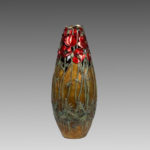
-
Awakening Bliss
$5775
17.25”h x 7.25”w
-
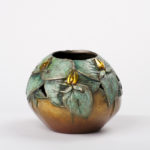
-
Quiet Radiance
$1315br>4.25″ x 4.75″
-
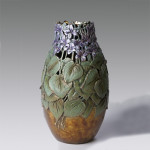
-
Love Blooms
$2175
8.5″ x 4.75″ x 4.75″
-
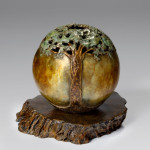
-
Marriage of Spirit
$1,750
5.75″ x 5.75″ x 5.75″
On optional base.
-
-
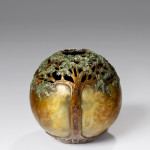
Serenity
$1,750
5.75″ x 5.75″ x 5.75″
-
-
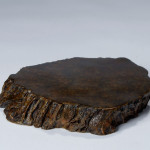
Bronze Base #1
$595
1.5″ x 7″ x 7″
-
-
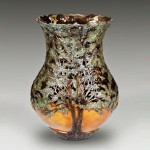
Timeless Melody
$17250
24″ x 17″ x 17″
-
-
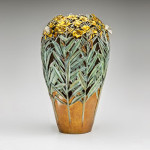
Twilight Stars
$6,800
16″ x 9.5″ x 9.5″
-
-
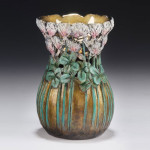
Nature’s Bounty
$1295
4″ x 2.75″ x 2.75″
-
-
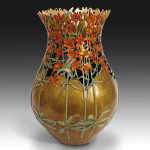
Celestial Joy
$14960
20.5″ x 14″ x 14″
-
-
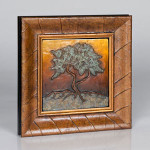
Quiet Blessing (Tobacco Frame No Longer Available)
$925
10″ x 10″ plaque
-
-
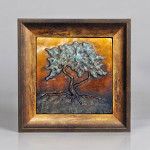
Quiet Blessing Oxidized Gold Frame
$899
8.75″ x 8.75″ plaque
-
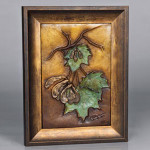
-
Maple Joys
Oxidized Gold Frame
$695
8.75″ x 11.5″ plaque $795
-
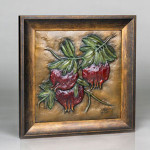
-
Ripe Abundance
Oxidized Gold Frame
$795
11.25″ x 11.25″ plaque
-
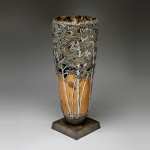
-
Voice of Wisdom
$8795
28″ x 11.5″ x 11.5″
-
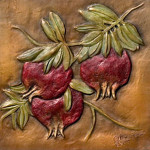
-
Ripe Abundance
$690
8.5″ x 8.5″ plaque
-
-
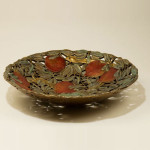
Seeds of Harmony
$5,200
3.25″ x 16″ x 16″ $4900
-
-
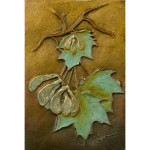
Maple Joys
$550
8.5″ x 5.75″ plaque
-
-
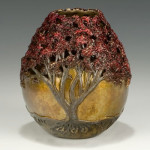
Aries Maple
$1,485
5.5″ x 4.5″ x 4.5″
-
-
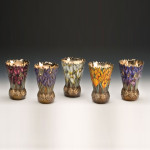
Garden of Promises
$9,988
6.25″ x 4.5″ x 4.5″
*See note below for pricing information.
-
-
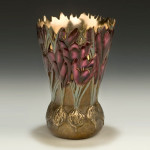
Ruby Promises
$2,350
6.25″ x 4.5″ x 4.
-
-
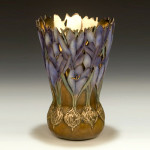
Blue Promises
$2,350
6.25″ x 4.5″ x 4.5″
-
-
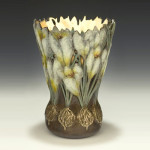
Snowy White Promises
$2,350
6.25″ x 4.5″ x 4.5″
-
-
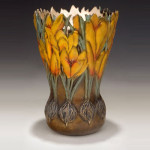
Golden Promises
$2,350
6.25″ x 4.5″ x 4.5″
-
-
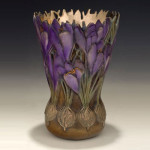
Promises
$2,350
6.25″ x 4.5″ x 4.5″
-
-
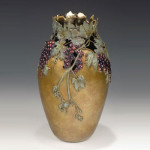
In Vino Veritas I
$3,875
11.25″ x 6.25″ x 6.25″
-
-
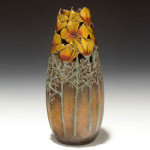
Remembering Gratitude
$1,845
8.25″ x 3.5″ x 3.5″
-
-
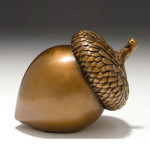
Possibilities
$395
2.75″ x 3.5″ x 2.5″
-
-
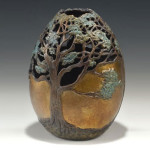
Womb Of Life
$1975
7.50″ x 5.75″ x 4.25″
-
-
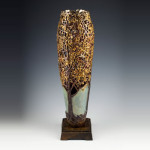
Ginkgo: Seed of Hope
$6,800
18.75″ x 4.75″ x 4.75″
-
-
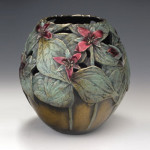
Trillium
$1,815
6″ x 5.5″ x 5.5″
-
-
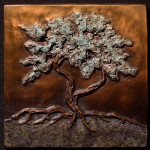
Gratitude
SOLD OUT
-
-
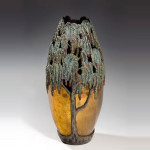
Quiet Blessing
$798
6″ x 6″ plaque
-
-
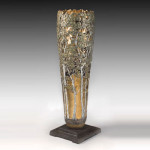
Graceful One
$2,600
14.5″ x 7″ x 7″
-
-
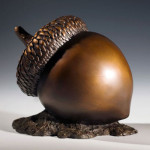
Woodland Queens
SOLD OUT
39″ x 12″ x 12″
-
-
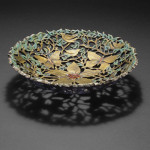
The Seed
$2100
6.25″ x 7.25″ x 6.25″
-
-
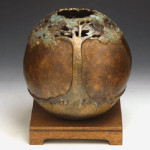
Sacred Marriage
SOLD OUT
2″ x 9.5″ x 9.5″
-
-
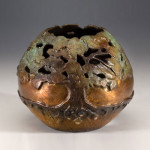
Trinity
, $2200 7″ x 7″ x 7″
-
-
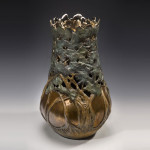
Mighty Oak
SOLD OUT 4 x 4.5 x 4.5″
-
-
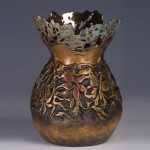
Nourished
$4800
19.5″ x 12″ x 12″ $4800
-
-
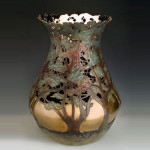
Reality
EDITION SOLD OUT
6.5″ x 4.75″ x 4.75″ $1800
-
-
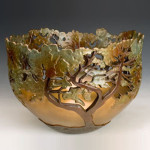
Infinity
SOLD OUT
22.5″ x 17″
-
-
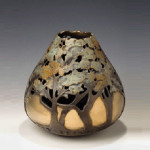
Montage Abundance
SOLD OUT
11″ x 13.5″ x 13.5″
-
-
Raven
SOLD OUT
10.25″ x 10″ x 10
-

-
You are a Branch
of the Tree of Life
$129
5″ x 2″ Est. x 1.5″ Est.
-
-
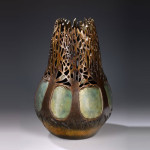
Illusion of Complexity
$3,400
15.5″ x 11″ x 11″
-
-
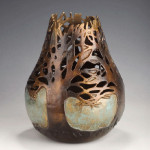
Seen and Unseen
SOLD OUT />10″ x 9″ x 9″
-
-
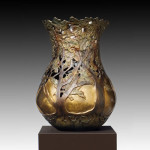
Transitions II
SOLD OUT 42″ x 25″ x 25″
-
-
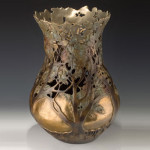
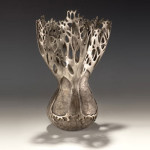
Transitions
Limited Edition SOLD OUT
17″ x 11.5″ x 11.5″
-
-
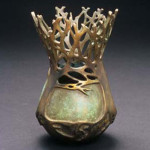
Finding Courage
11.5″ x 8.5″ Edition Closed
-
-
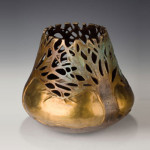
The Little Ones
Sold Out />6″ x 4″ x 4″ $1800
-
-
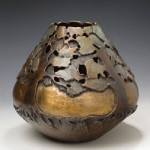
Seasons
SOLD OUT
7.5″ x 8″ x 8″
-
-
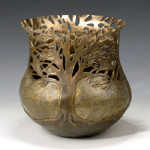
Owl Medicine
SOLD OUT
9″ x 12″ x 12″
-
-
Miracles
SOLD OUT
10.5″ x 10.5″ x 10.5″
*Collectors may purchase the vessels within the Garden of Promises consort, in quantities of their own choosing – individually or in groups. Buying two or three vessels within the Garden of Promises at the same time will result in a 5% discount; purchasing four of the vessels within the Garden of Promises at the same time will provide a 10% discount and buying the entire Garden of Promises at the same time will reflect a 20% discount.
The Companion Writings are offered as a seed to ignite one’s own contemplation while sharing symbolic interpretation regarding the significance of the piece to Carol as it was created. She encourages viewers to remain open to allowing each piece to speak to them personally, in its own way(s). She believes them to be ongoing messengers far beyond the “seed” she receives while creating them.